This site is part of Informa PLC

This site is operated by a business or businesses owned by Informa PLC and all copyright resides with them. Informa PLC's registered office is 5 Howick Place, London SW1P 1WG. Registered in England and Wales. Number 3099067.

Informa logo

Trend Blog

New Generation Production and Consumer Trends in Baby Care Products

Consumer expectations in the baby care market are evolving rapidly. Traditional concepts are being replaced by cleaner ingredients, ethical manufacturing processes, and products supported by credible certifications. This transformation is reshaping not just the end consumer, but also how brands and buyers position themselves.


In this article, we will be exploring emerging trends and sourcing strategies in key product categories such as baby shampoos, skincare, wet wipes, and sun protection.

Source: Precedence Research / Statista

Source: Precedence Research / Statista

Rising Sensitivity in Baby Shampoos: Clean Formulation & Sensory Experience

Modern parents are no longer satisfied with just “tear-free” labels when choosing baby shampoos. They now prioritize:

  • Natural ingredients and dermatologically tested formulas
  • Sulfate- and paraben-free products as a new standard
  • Plant-based surfactants (e.g., coconut-derived), offering gentler cleansing
  • pH-balanced formulations to support the skin barrier


According to McKinsey, 63% of parents prefer baby care products that follow a “minimum ingredient, maximum trust” policy (Source: McKinsey.com).

Skincare for Kids: Balancing Moisture, Protection, and Daily Use

In children's skincare products, expectations go beyond merely preventing diaper rash; there is now a demand for systems that moisturize, protect, and prevent irritation. Emerging product trends in this area include:

  • Increased use of natural moisturizers such as shea butter, olive oil, and oat extract
  • A shift toward cleaner formulations by avoiding synthetic dyes, fragrances, and petroleum-based ingredients
  • Suitability for daily use, which plays a key role in building long-term trust in the product


Barrier lotions that prevent dryness during the winter and lightweight moisturizers with protective effects for the summer are particularly favored.

Source: McKinsey.com

Source: McKinsey.com

Wet Wipes: The Sustainability 
Dilemma in Single-Use Products

Wet wipes must strike a balance between hygiene and environmental sensitivity. Key changes include:

  • Natural fiber-based production (cotton, bamboo) for biodegradability
  • Alcohol-, paraben-, and phenoxyethanol-free formulas ensure safe skin contact
  • Compostable packaging for eco-conscious consumers


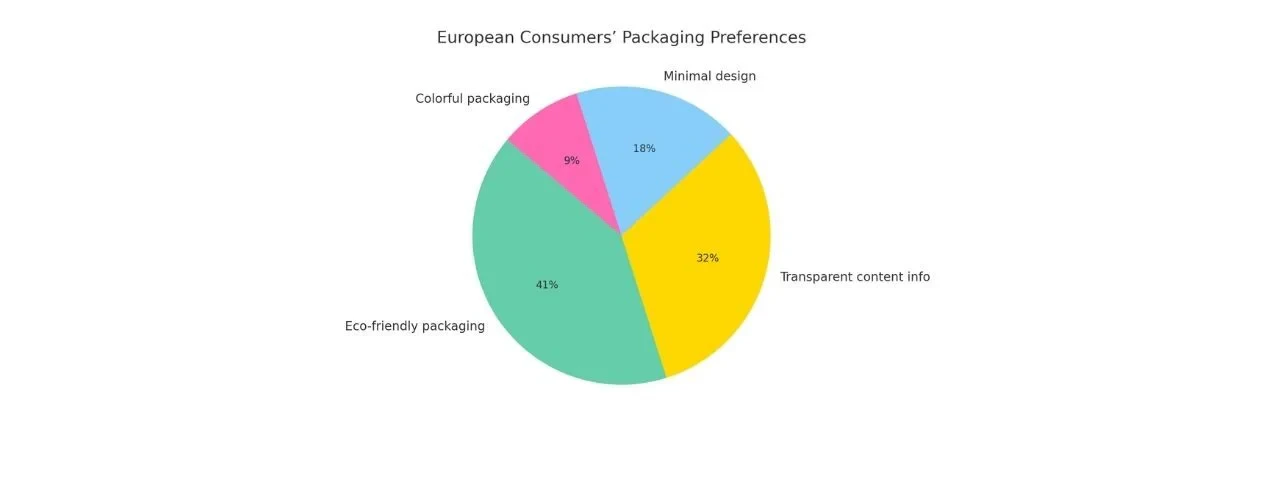
Statista reports that 41% of European consumers consider eco-friendly packaging a “primary purchase criterion” in baby care (Source: Statista.com).

Source: Statista.com

Source: Statista.com

Changing Expectations in Baby Sunscreens

As we all know, baby skin is far more vulnerable to UV rays, making ingredient safety in sunscreens even more critical. Recent preferences include:

  • Physical filters (zinc oxide, titanium dioxide) are favored over chemical filters
  • Fragrance-free, non-nano particle formulations align with infant skin sensitivity
  • Water resistance has become a competitive factor in summer products


78% of consumers say they specifically look for “formulated for babies” labeling when purchasing sunscreen (Source: Euromonitor.com).

What Should Buyers Prioritize When Choosing Suppliers?

For professional buyers—whether store owners, supermarket chain managers, or e-commerce sellers—quality alone isn’t enough. Transparency in manufacturing and flexible options have become key. Especially in private label sourcing, attention should be given to:

  • Certified manufacturing: ISO, GMP compliance, dermatological test reports
  • Transparent ingredients: Easily audited and clearly listed compositions
  • Flexible production: Low MOQs for testing new markets
  • Packaging aesthetics: Minimalist, trust-inspiring, and visually competitive on shelves


Moreover, buyers must now ensure suppliers provide e-commerce-friendly content like detailed product descriptions, certifications, and clinical test visuals to improve digital visibility.

Final Thought: It’s Not Just About Production—It’s About Trust

In baby care, success today is not only measured by manufacturing quality but also by the ability to build consumer trust. Packaging, ingredients, and certifications together create a story—one that convinces at first glance and reassures post-purchase. For buyers in this industry, the future belongs to those who understand that trust is the most valuable currency on the shelf.