A Global Lesson from a Delay in Mumbai
An importer in Mumbai had planned a four-week delivery timeline for two containers of children’s toys ordered from China. Everything was on track until missing documents were discovered at customs. The shipment was delayed by 19 days. By the time it arrived, India’s Diwali sales season had already started, and customers couldn’t find products on shelves.
This might sound like a single company’s story, but it’s a situation thousands of professionals importing baby products or toys from China could face. The cost of such a delay is not just lost sales — it’s also damaged customer trust.
Global Market: Opportunities and Challenges
The global baby products market is projected to reach USD 575.8 billion by 2033 (Source: market.us). Rising birth rates, higher quality expectations from parents, and increased brand diversity continue to fuel demand for products sourced from China.
However, along with opportunities, there are challenges:
- Freight cost fluctuations: Between 2020–2024, container freight rates increased by up to 300% (Source: Drewry Shipping Consultants).
- Seasonal demand spikes: Back-to-school, Christmas, and Eid al-Fitr periods often see sudden surges in demand.
- Currency exchange risks: Long-term contracts are directly affected by exchange rate volatility, impacting profit margins.
Product Categories and Profitability Analysis
Key baby products imported from China:
- Toys (high volume, medium profit margin)
- Baby textiles (medium volume, high profit margin)
- Baby strollers and carriers (low volume, high unit price)
- Diapers and hygiene products (high volume, low profit margin, fast turnover)
Each category has different logistics and customs procedures. For example, diapers in some countries require additional health certification, while toys must carry the CE mark.
Supplier Selection and Negotiation Strategies
Finding a reliable manufacturer in China is just as important as negotiating the right price.
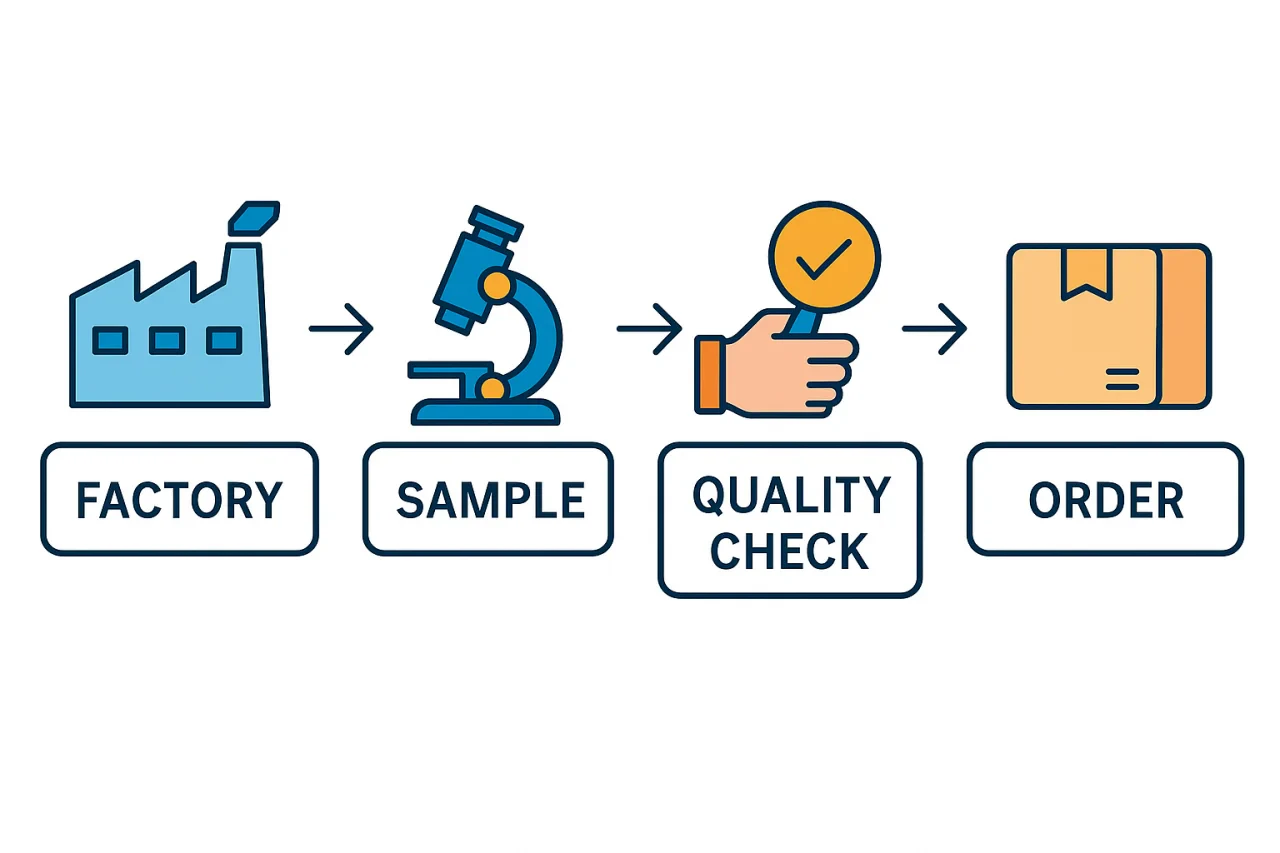
The sampling process is a must: Never place a large order without physically inspecting the product and verifying material quality.
When negotiating, discuss not only the price but also delivery timelines, quality control standards, and packaging options.