This site is part of Informa PLC

This site is operated by a business or businesses owned by Informa PLC and all copyright resides with them. Informa PLC's registered office is 5 Howick Place, London SW1P 1WG. Registered in England and Wales. Number 3099067.

Informa logo

Trend Blog

Growth, Senses, and Sustainability — Are You Ready for 2026

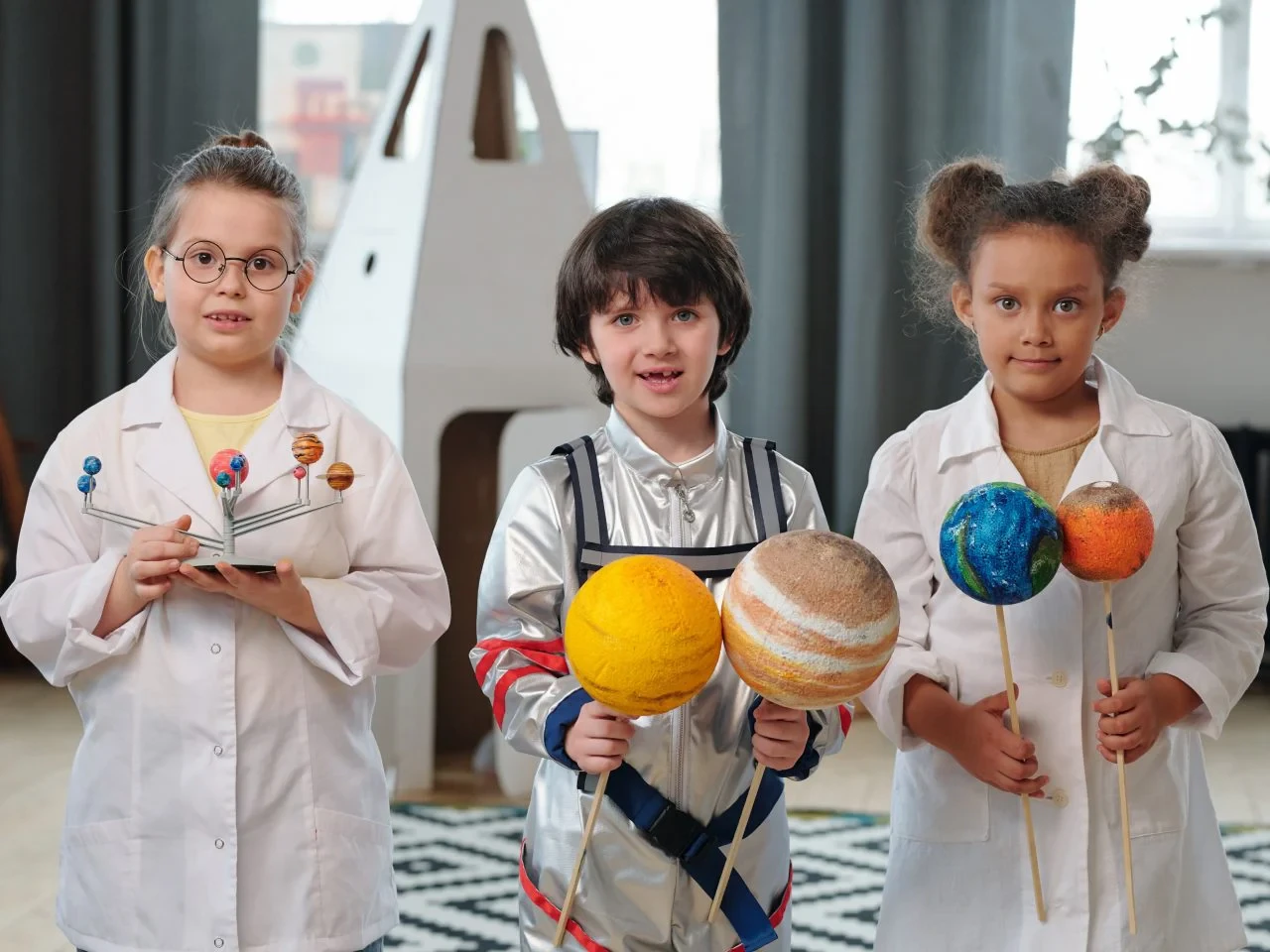
Rise of “Growth Mindset” Toys: The New Role of Educational Products

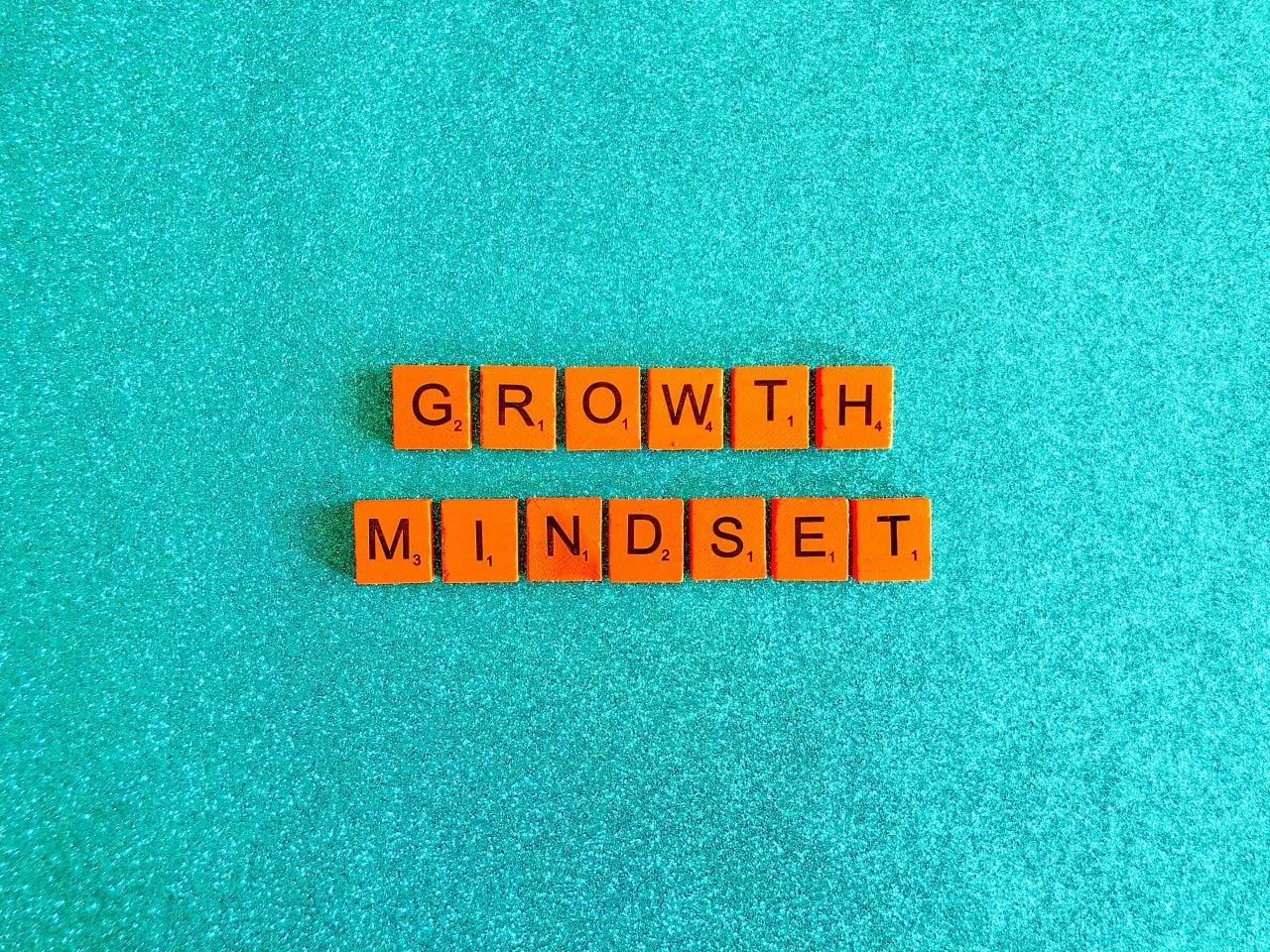
“I didn’t succeed”—no, “I haven’t succeeded yet.”This is the core idea behind the growth mindset. And this approach is reshaping the language of the children’s product industry—from toy design to marketing.

In recent years, this concept has appeared in both academic literature and parental preferences. It separates the learning process from achievement and creates room for “learning by doing.” Toys that teach children that making mistakes is natural and that effort matters are no longer just educational; they now support both emotional and cognitive development.

With this shift, classic building blocks, strategy games, experiment kits, and task-based games are no longer mere materials—they’ve become carriers of pedagogical content. Interwoven with child development, these products are climbing to the top of the preference list for increasingly conscious parents.

Educational toys are now moving beyond the category of “teaching tools.” They act more like companions—talking to the child, not instructing but gently guiding.

What does this mean for you?
For brands, this means marketing not just products but values and attitudes. For toy retailers who collaborate with schools or engage educator communities, this is a differentiating category.
Sensory and Anxiety-Reducing Products: Categories That Support Neurodiversity

Sensory and Anxiety-Reducing Products: Categories That Support Neurodiversity

The world of child development no longer follows a single growth trajectory. Instead, we now talk about different mental structures, sensory needs, and learning styles. Neurodiversity has evolved from awareness to a guiding principle in product design.

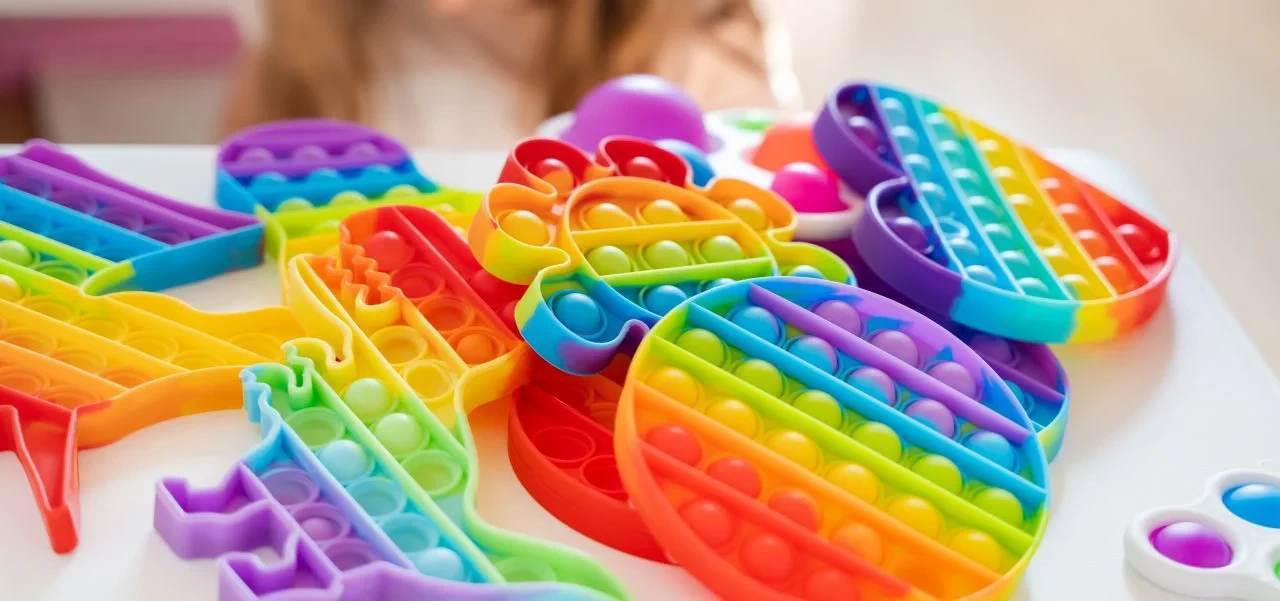
Sensory products are no longer confined to special education; they’ve earned a wide place in mainstream product lines. That’s because issues like anxiety, attention problems, and overstimulation are now a part of many children’s lives, not just those with diagnoses.

Weighted blankets, plush toys made of textured fabrics, sound-based soothing toys, fidget bracelets—all help children regulate sensory input, feel safe, and improve focus.

Perhaps their most important function: making invisible needs visible, while offering practical support to both parents and professionals.

In 2023, 27% of toy producers in Europe launched new product lines focused on the “neurodiversity-friendly” category. (Source: Toy Industry Europe)

What does this mean for you?
These products appeal not to a narrow niche but to a broad category focused on anxiety regulation and attention support. They can form a new shelf category for retailers.

Color and Pattern Selection for 2026 Baby & Kids Collections: What Does It Mean for Retail?

Color and Pattern Selection for 2026 Baby & Kids Collections: What Does It Mean for Retail?

If we had to summarize the theme of 2026 children’s collections in one word, it would be “awe.”
TrendBible’s 2026 theme “The Age of Awe” is about reactivating children’s sense of wonder. This theme affects not only clothing design but also toys, home décor, and packaging.

Key 2026 Pattern Trends:

  • Cosmic universes and space maps
  • Creatures and beings shaped by imagination
  • The microscopic natural world (e.g., plant cells, water molecules)
  • Storytelling through abstract illustrations


Key 2026 Color Palette:


  • Future Dusk: A blue-purple shade evoking night turning to dawn
  • Elemental Blue: A calming shade referencing water and sky
  • Sunset Coral & Mineral Yellow: Warm tones inspiring exploration
  • Cyber Lime: A bold highlight color for details


These colors and patterns shouldn’t be viewed merely as fashion trends. Each adds depth of narrative to the collection. In retail, using these tones together creates visual consistency across seasonal campaigns—and leaves a lasting brand impression.

TrendBible states that collections incorporating “awe-themed” content have seen a 48% increase in social media engagement.

What does this mean for you?
For retailers, these tones help maintain narrative consistency across campaigns. Story-based collections can increase seasonal brand loyalty.

Global Consumer Trends in Baby & Kids Products for 2025: What Should Brands Learn?

Global Consumer Trends in Baby & Kids Products for 2025: What Should Brands Learn?

The year 2025 can be defined as a turning point when parents evolved into not just buyers—but researchers, comparers, and consumers who exclude products that don’t align with their values.

The key behavioral trends shaping this profile:

  1. The Search for Screen-Free Experiences
    Audio story devices like the Yoto Player or Tonie Box provide content-rich but screen-free experiences. Parents are now looking for meaningful alternatives to screen time—not just distractions.
  2. Systems That Save Time and Effort
    Age-specific subscription boxes—for toys, books, or personal care—help lighten families’ daily load while fostering brand loyalty.
  3. Preference for Natural, Minimal, and Purposeful Products
    Subtle simplicity now wins over flamboyance. Consumers prefer products with a clear function, strong message, and eco-friendly materials.
  4. Sustainability Is No Longer a Bonus—It’s an Expectation
    Organic production, ethical sourcing, and carbon footprint transparency are no longer optional. Consumers want these values on the front page—not in the fine print.

According to Deloitte, 73% of Gen Z parents say they wouldn’t make a repeat purchase from a brand that is not sustainable.

What does this mean for you?
This trend requires not only creating new products—but also repositioning existing ones. You must consider your product, its packaging, your brand tone, and your content strategy holistically.

Ask yourself:

  • Does the product solve a problem?
  • Does it represent value?
  • Can it become part of a meaningful story?


Your answers to these questions will determine the shelf life of your product.

Sustainability Is No Longer a Bonus—It’s an Expectation